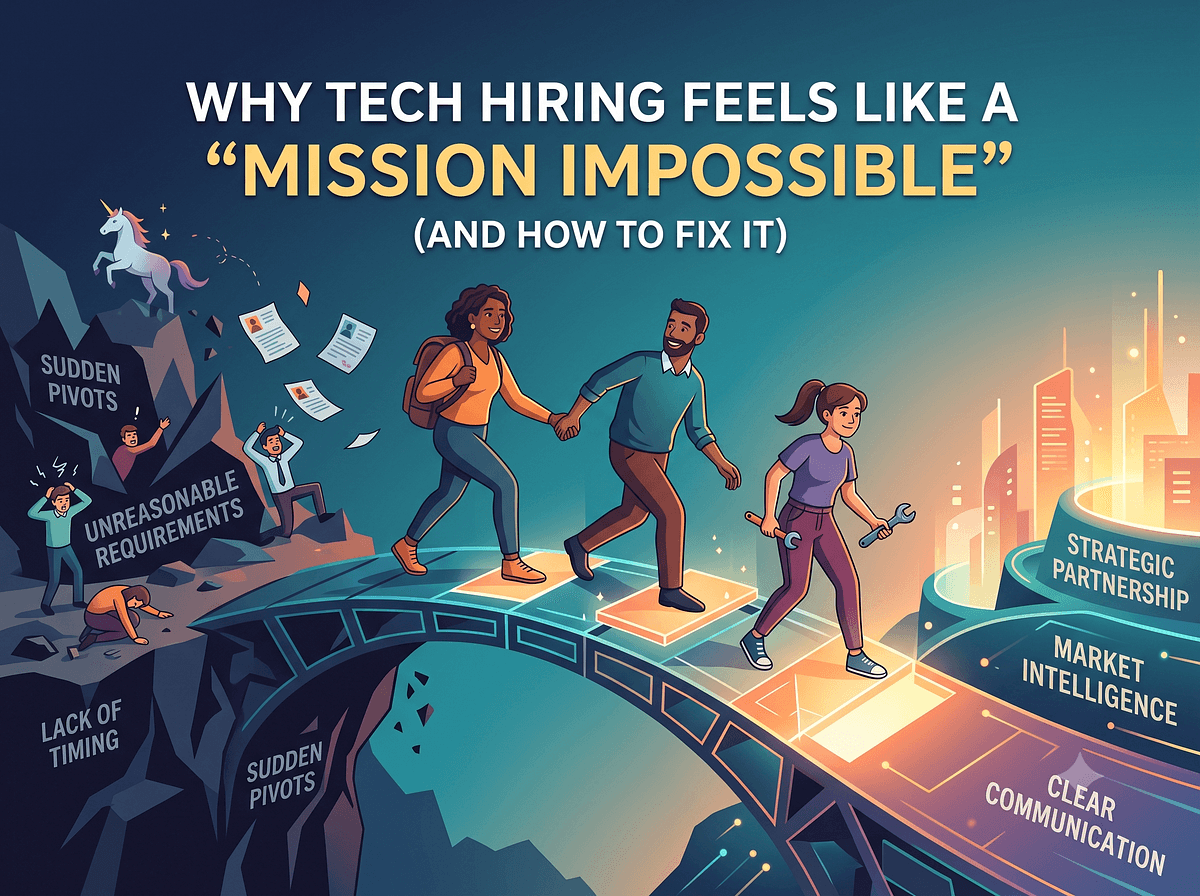
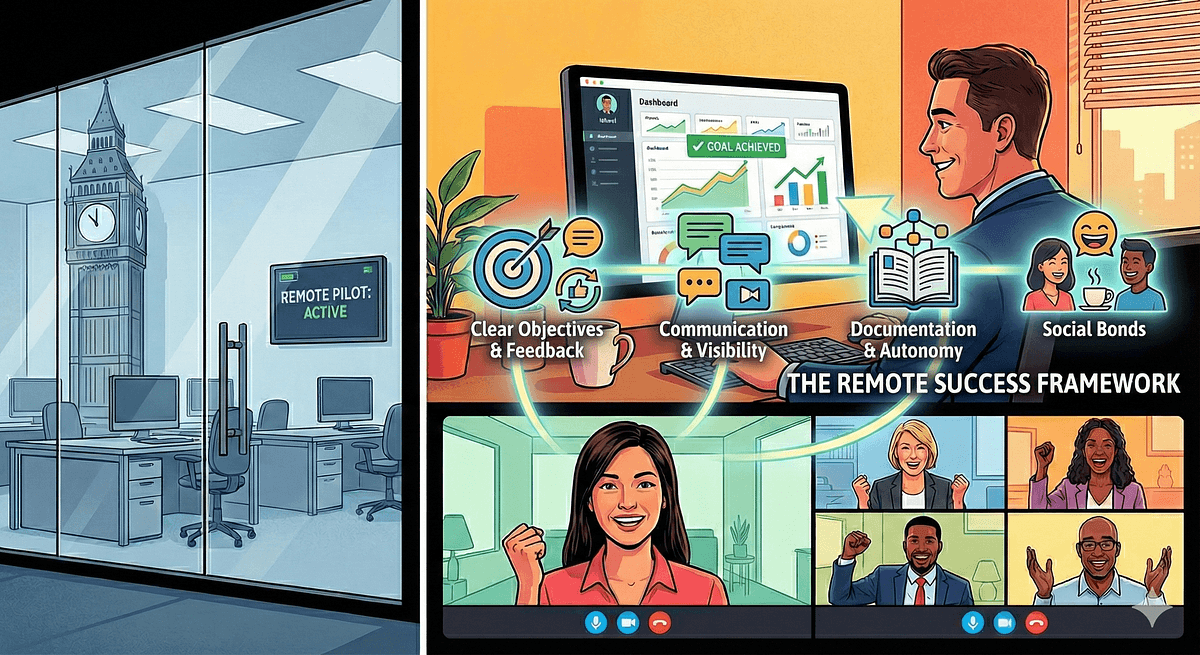
Friday, 4:55 PM. A Slack notification disrupts the CTO’s end-of-week wrap-up. It’s Lucas, the team’s tech lead. He writes just four words: “Do you have five minutes?”
You don’t need to be a psychic to know that a message like that, at that hour, means only one thing: he’s quitting.
Lucas is a linchpin of the project. He knows the history behind every technical decision, the system’s shortcuts, and how to fix that critical integration that no one else understands.
The immediate reaction is to try to retain him with a generous raise. But Lucas doesn’t accept. This isn’t a negotiation; it’s a goodbye.
And a single question remains: “Could this have been avoided?”
The End of the “Solid Era”
There was a time when an employment contract was like a traditional marriage: a promise of stability in exchange for eternal loyalty.
But that solid era has dissolved. Today, we live in what sociologist Zygmunt Bauman defined as Liquid Modernity, where nothing lasts forever. Everything is ephemeral, and professional bonds are no exception.
In this fluid ocean, employees like Lucas are no longer looking for a gold watch after 20 years of service. They seek purpose, challenge, and movement. The modern employment relationship is a temporary partnership: there is permanence only as long as growth is mutual.
The mistake wasn’t offering Lucas too little money; it was assuming that money was the only thing keeping him anchored to his chair.
We are still trying to apply 20th-century retention rules, based solely on salary and security, to a 21st-century workforce. If our strategy doesn’t adapt, we aren’t managing talent; we are simply watching it slip through our fingers.
The Loss of Know-How
The departure of someone like Lucas leaves a wound that money cannot heal: the loss of know-how.
Lucas didn’t just write code; he knew the context of decisions made three years ago, the workarounds that prevented disasters, and the team’s implicit culture.
When he walks out the door, the impact is immediate: the burden falls on those who stay. This creates a domino effect: the stress and burnout of the remaining team members become the engine for the next resignation. It is a vicious cycle that no recruitment process, no matter how fast, can offset.
The Power of a Conversation
If we could travel back in time, what could have been done differently so that Slack notification never arrived?
The exit interview is like a negative hotel review left after the guest has already checked out. It helps improve the service for the next person, but that specific customer isn’t coming back. The same thing happens here.
To retain a brilliant mind in this liquid world, you need preventive medicine to detect lack of motivation before they turn into an irreversible decision:
- Move from Status to Person: In 1-on-1 meetings, leaders must stop asking only for task updates. It seems obvious, but starting with “How are you?” or “How do you feel about your current workload?” is a simple shift in focus that validates the individual. The employee feels their leader is a human partner.
- Diagnose the Intellectual Challenge: Lucas left because he lost motivation. High-level talent thrives on challenges. Asking how they feel about their responsibilities before they feel stagnant opens the door for new projects or lateral moves.
Navigating Fluid Waters
Liquid modernity is not a passing phase; it is the new era. The idea of the employee who stays out of inertia or solely for stability has vanished. In this fluid ocean, the only possible anchor is a culture of attention.
Retaining elite talent isn’t about paying the highest bonuses; it’s about building trust. Success belongs to companies that pair challenges with the support needed to achieve them.
The stability of our projects today depends on our ability to detect the silence before it turns into a goodbye.
Who is the “Lucas” on your team? How long has it been since you asked them how they actually feel in their current role?