
01
Learn
- Stakeholder Interviews
- Design Reviews
- Competitor Analysis
- User Interviews
- Journey Mapping

The ultimate weight loss solution, designed with leading health and well-being experts to make sustainable change feel effortless.

Lean Life came to us with a powerful methodology and clear ambition, but a market full of B2C giants drowning out the B2B angle they were built for. We were brought in to define the audience, the experience, and the visual identity from the ground up.
The weight loss space is saturated with B2C apps shouting calories, streaks, and shame. Lean Life is structurally different: it's B2B, sold into organizations as a wellness benefit, with live coaching and group sessions at its core.
That difference had to read in the brand, the flow, and every screen — without losing the warmth that brings users back week after week.
Noom, Omada Health, and Weight Watchers own the consumer mindshare. Lean Life sells to HR leaders, not individuals — the entire IA had to reflect that.
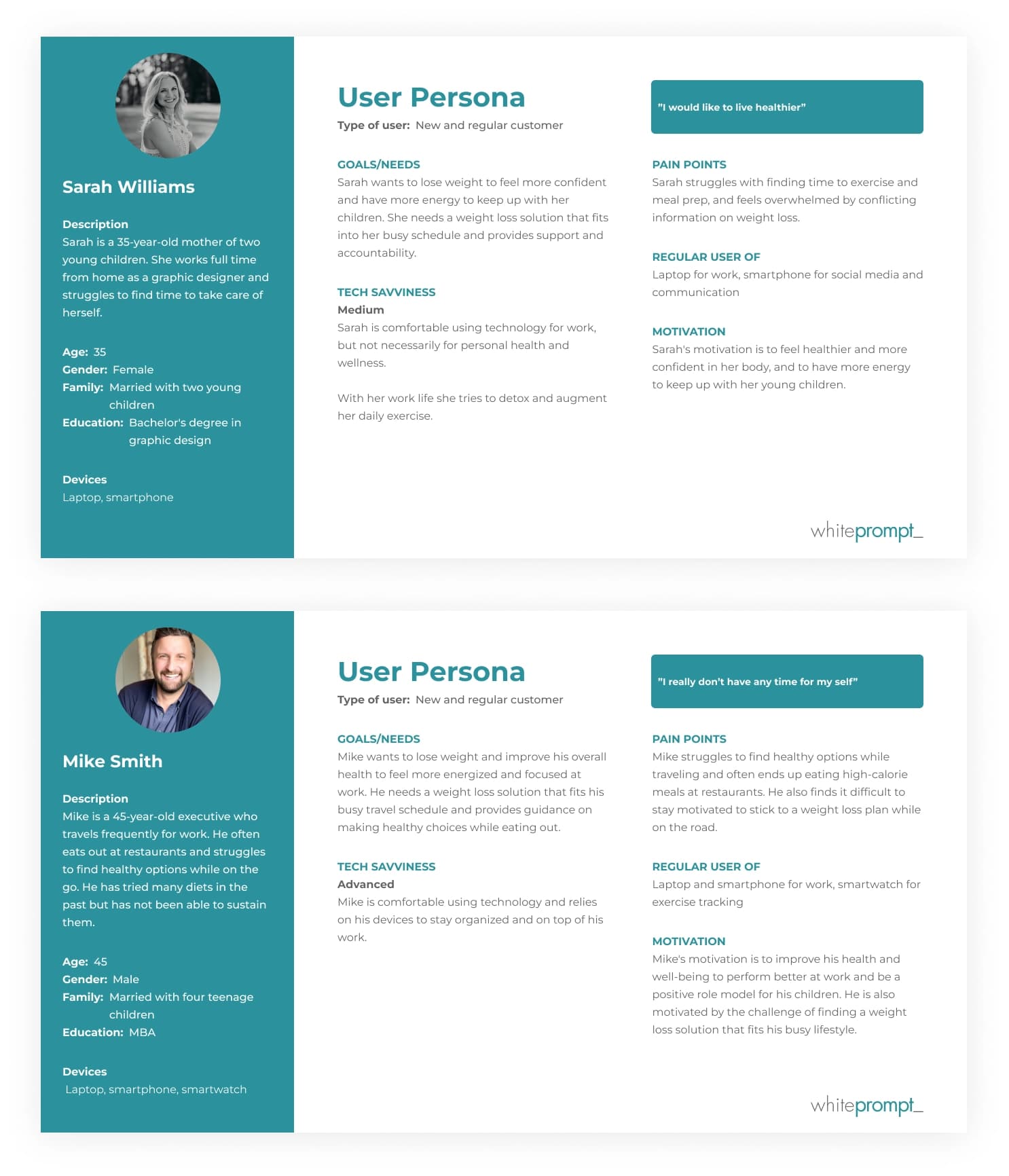
A busy mom-of-two graphic designer and a 45-year-old traveling executive both need to see themselves in the product. One flow, two truthful experiences.
The product is built around real human coaches, not just data and charts. The interface had to support live Zoom sessions, group forums, weekly content, and progress tracking — all without feeling overstuffed.
We mapped Lean Life against the three biggest names in the space across business model, pricing, app maturity, coaching, support, and audience demographics. The takeaways shaped every product decision that followed.
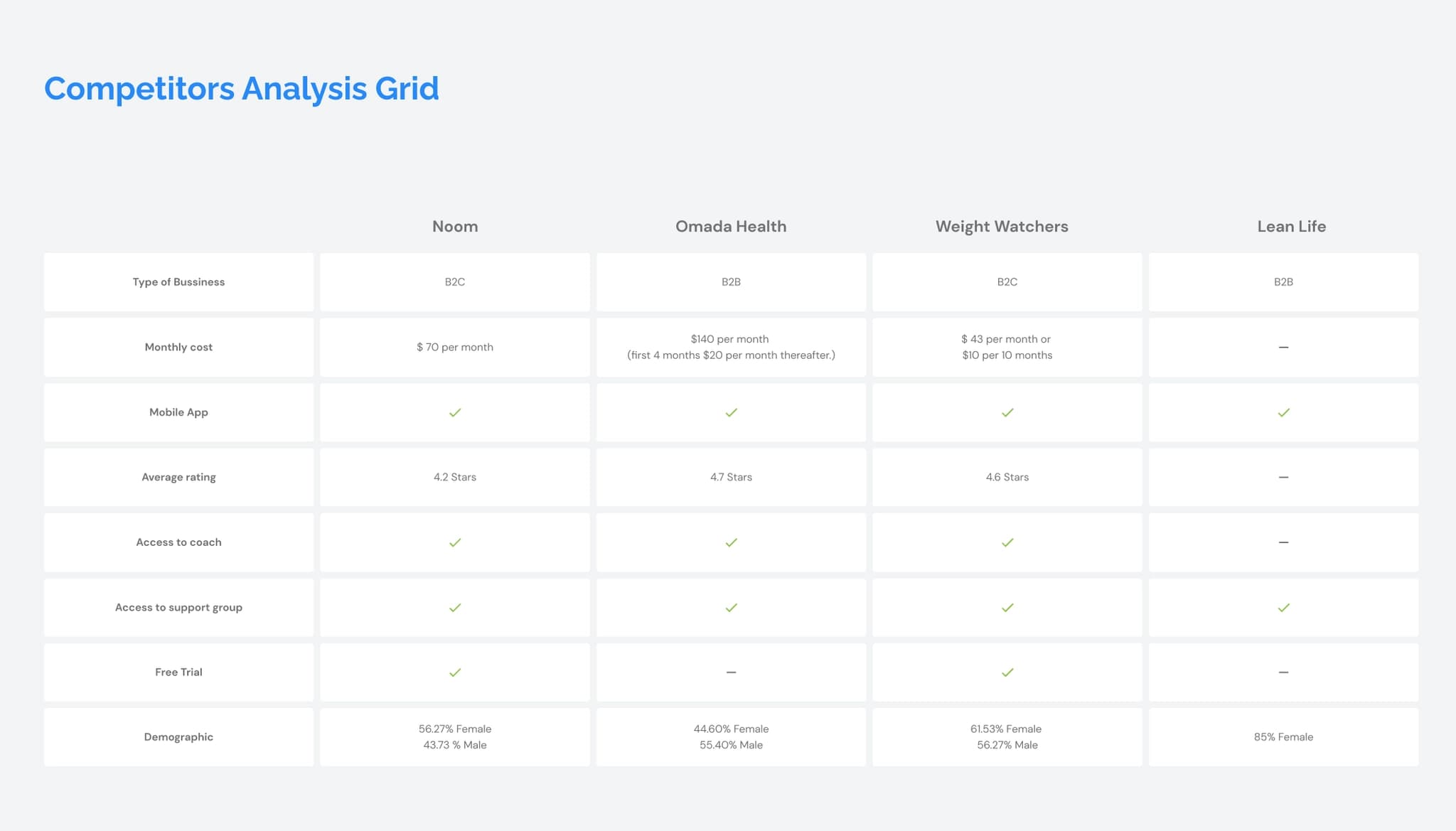
While Noom and Weight Watchers fight over B2C with broad demographics, only Omada Health plays in B2B — and skews male. Lean Life's combination of B2B distribution + predominantly female audience was the open lane. Every brand and product decision from this point forward leaned into it.
Stakeholder interviews and user research crystallized into two primary personas. Sarah and Mike showed up in every design review — if a flow worked for both of them, it shipped. If not, back to the drawing board.
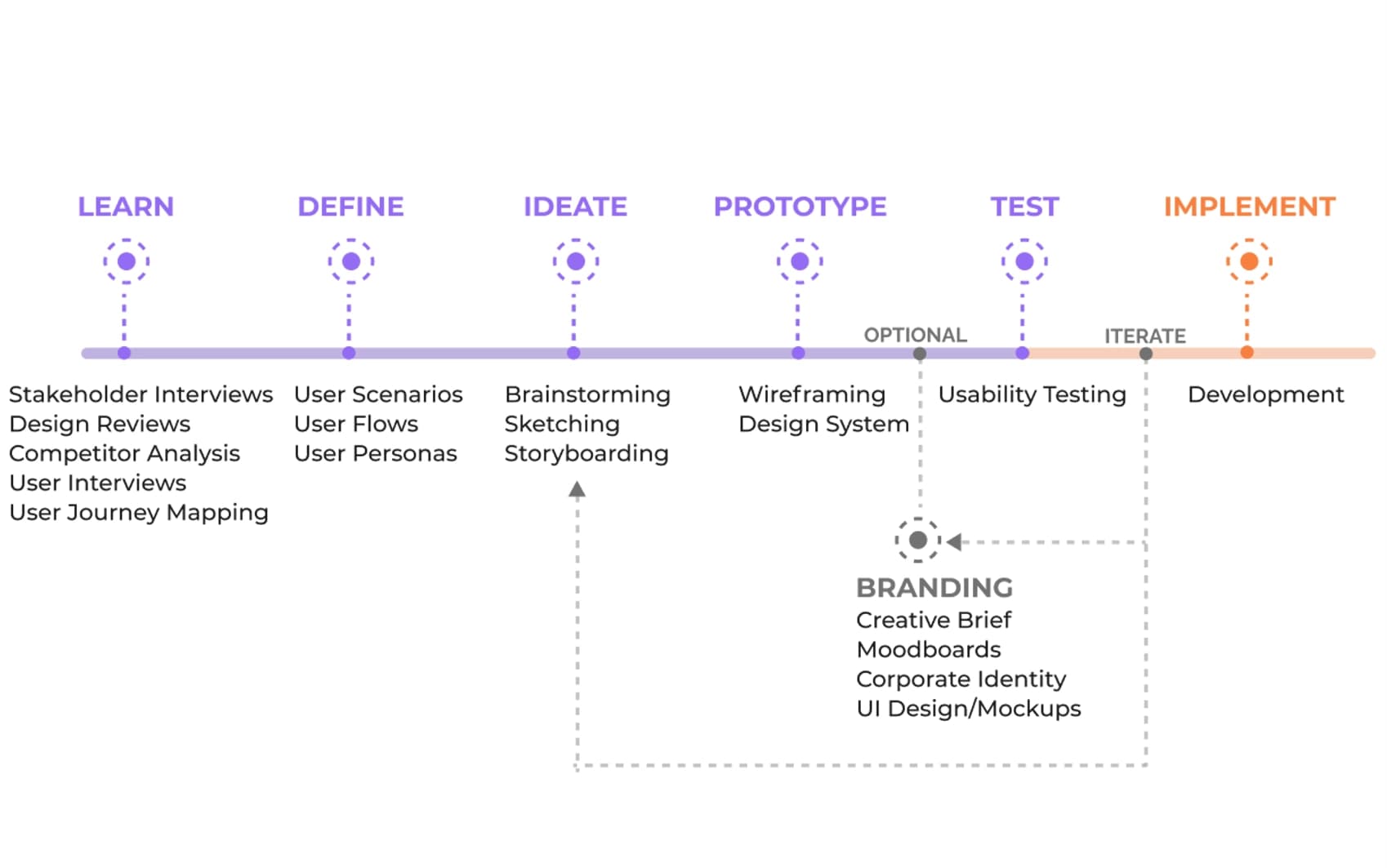
A modified design thinking framework — Learn, Define, Ideate, Prototype, Test, Implement — with Branding running as a parallel track that feeds back into Ideate. The loop is the point: we never stopped learning from users, even in build.
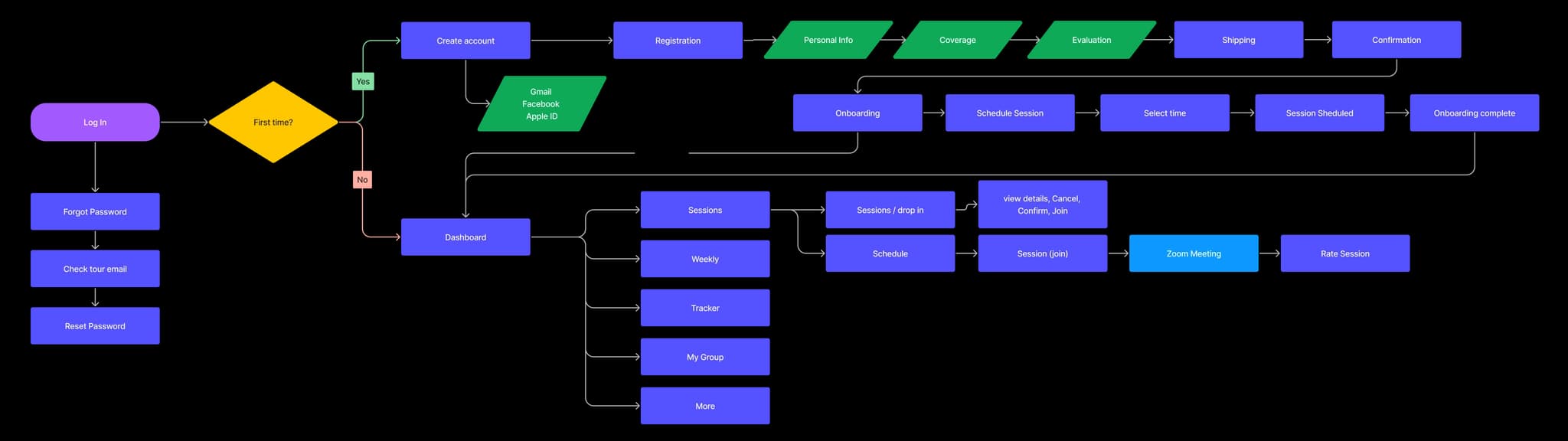
We mapped every state — first-time vs. returning, account creation through scheduled coaching session, all the way to “Rate Session”. This became the contract between design and engineering.
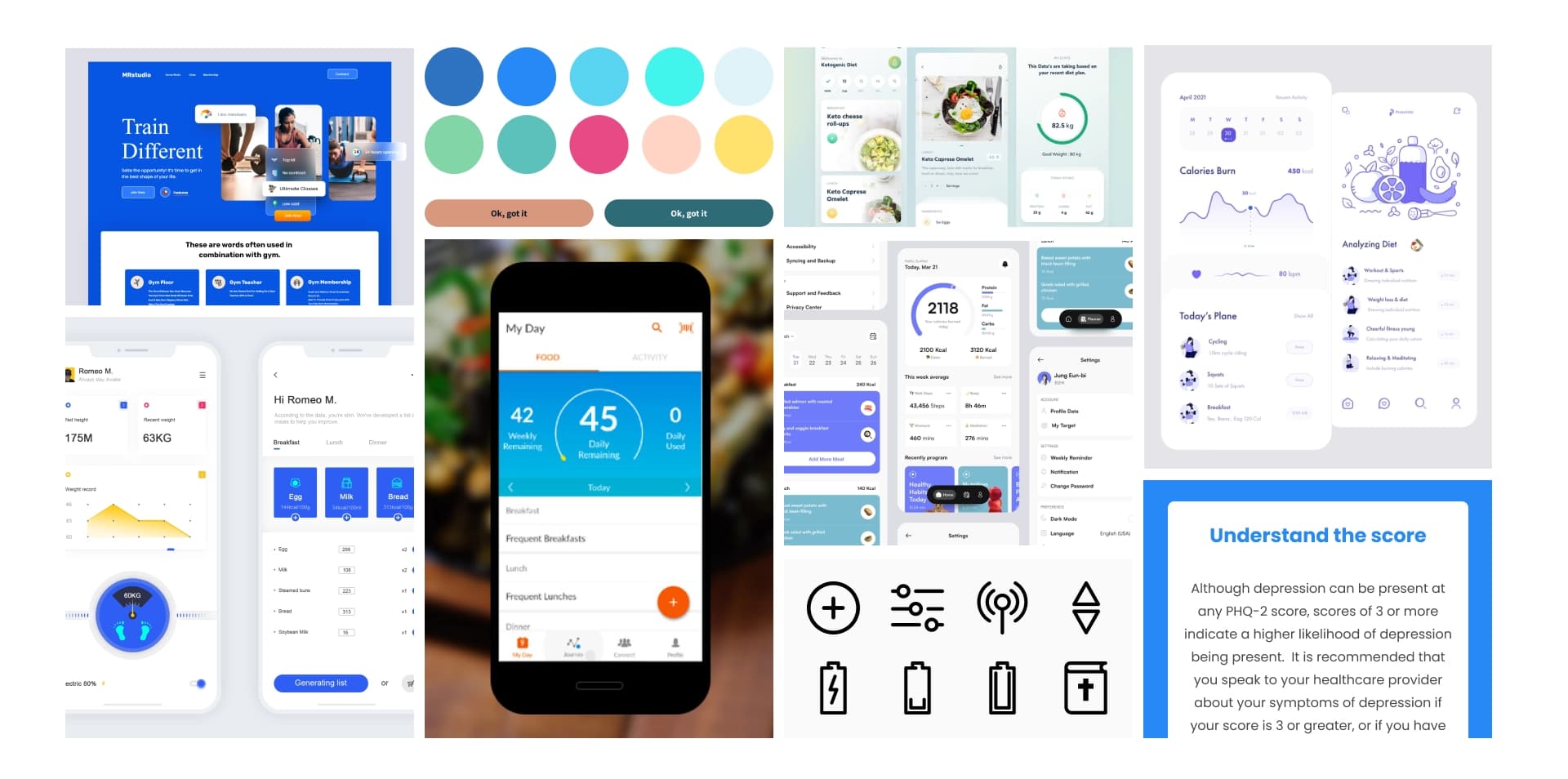
We curated a tight set of references across three categories — fitness UI patterns, calm wellness palettes, and editorial health publications — to align stakeholders on look-and-feel before any pixel was pushed in Figma.
The references converged on three things: a confident blue as the primary identity color, supportive secondary accents in teal and warm orange, and clean iconography that could carry meaning at small sizes.
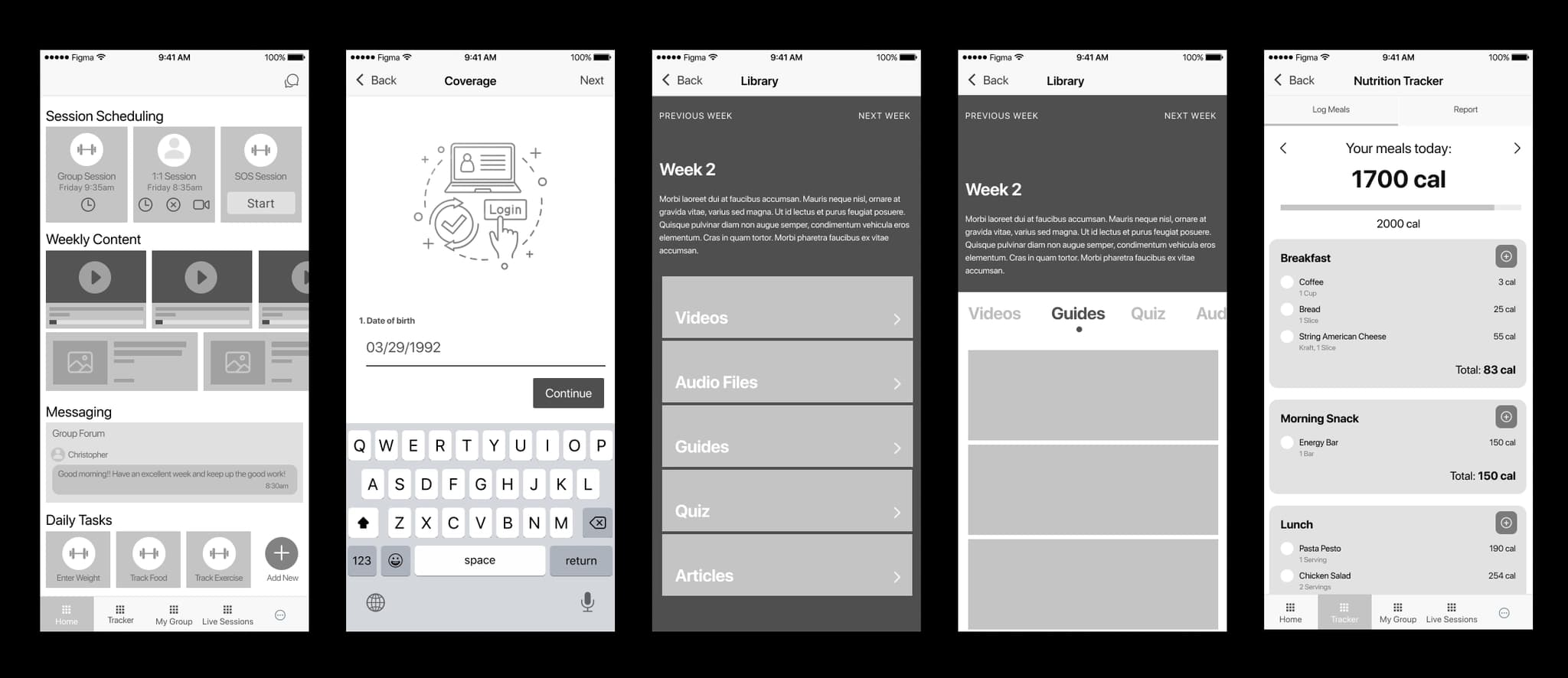
Greyscale wireframes for every primary screen — session scheduling, weekly content, library navigation, nutrition tracking — pressure-tested with the personas before we let color or imagery in.
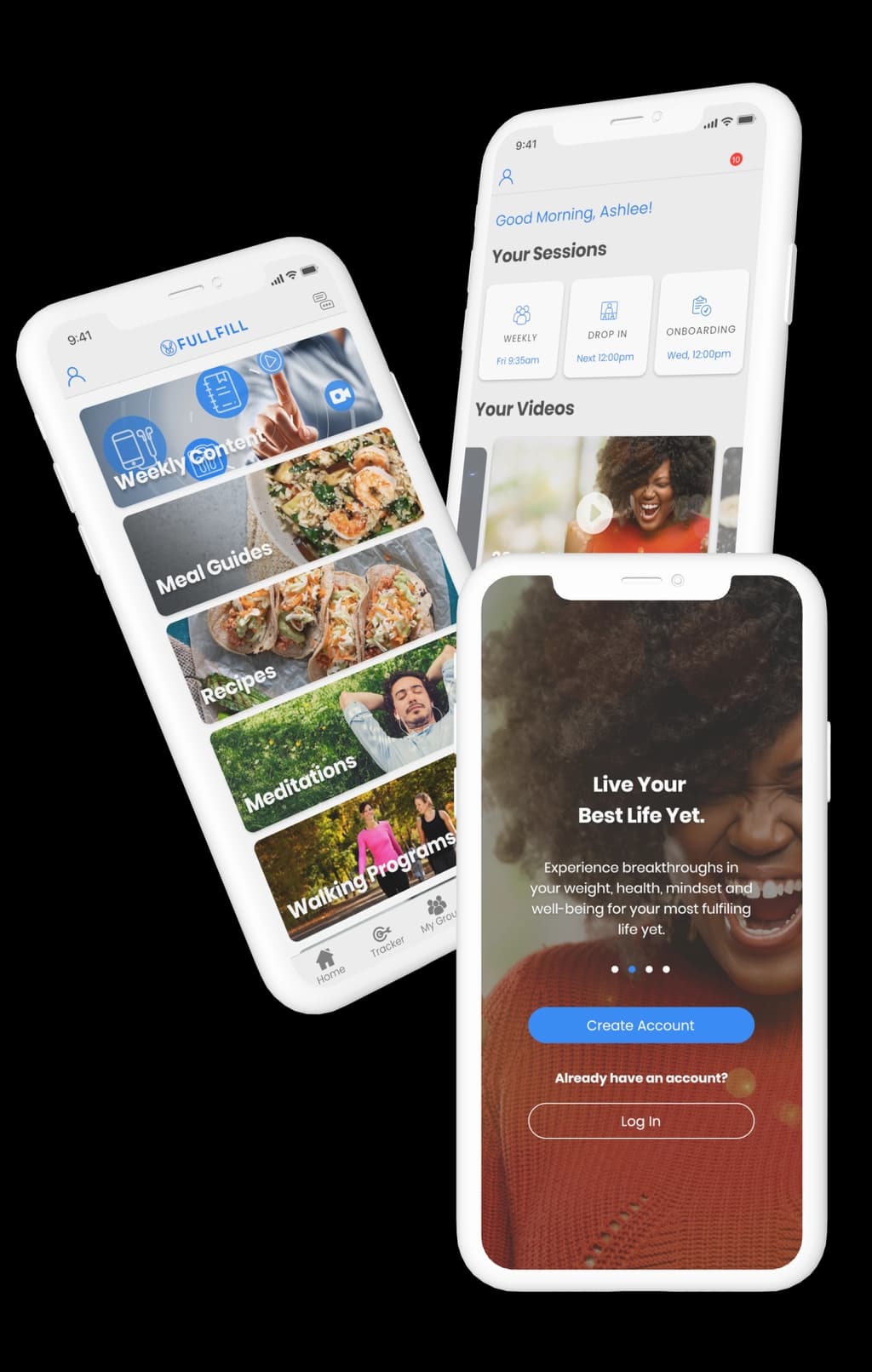
An iOS-first product with a complementary web platform for HR admins. Live coaching sessions, progress tracking, weekly content, meal guides, and group support — all in one place.
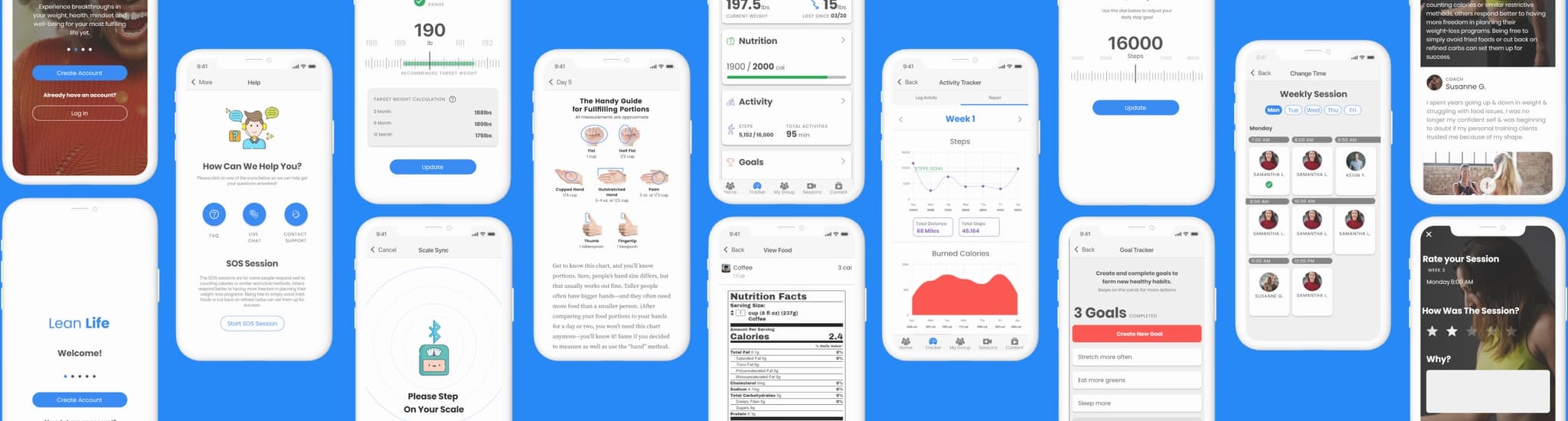
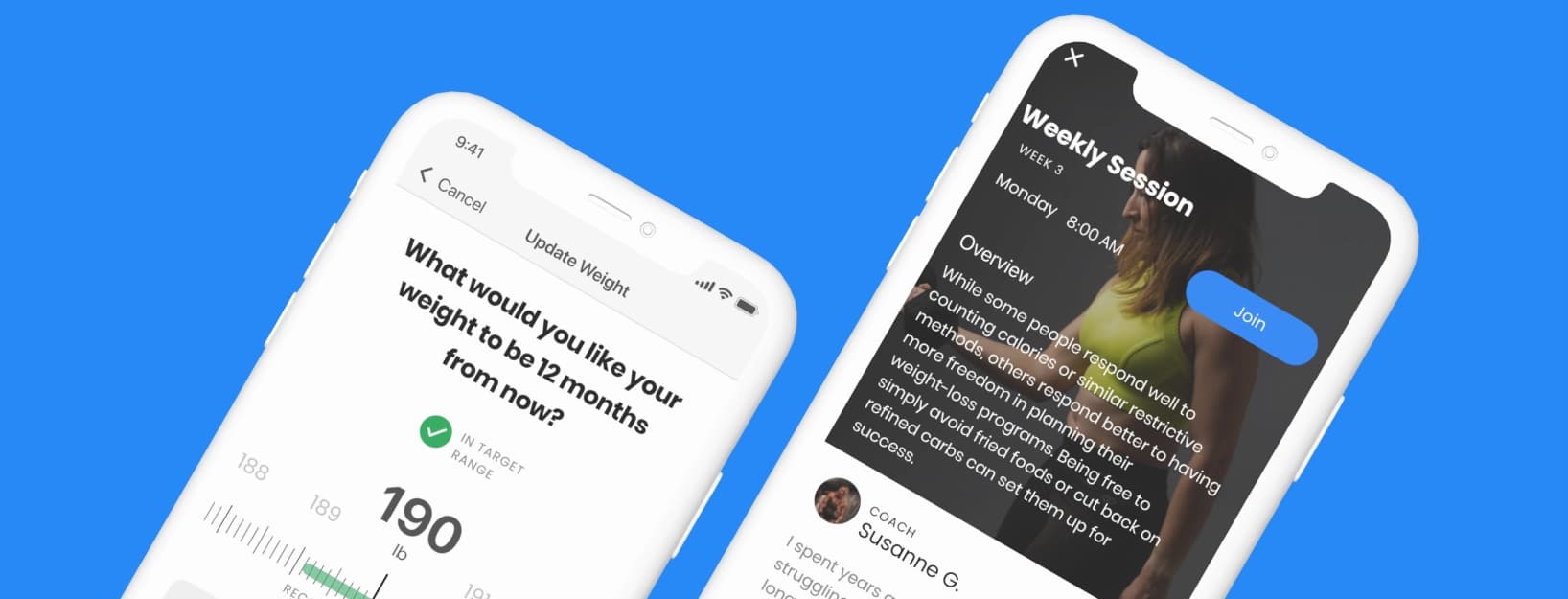
A clearer brand, a sharper product, and a research-grounded foundation that the engineering team could ship against — confidently.
We help health, wellness, and B2B teams turn complex expertise into products people actually use. Let's talk about what you're building.
Start a conversation→Note on confidentialityThe project name “Lean Life” used throughout this case study has been changed to protect our client's privacy. All design work, research methodology, screens, and outcomes shown are real.