Hey there, fellow UX enthusiasts! I’m excited to dive into the topic of remote moderated user testing with you. User testing is a vital part of our design process here at White Prompt, and I’m thrilled to share some insights and best practices.
What is User Testing?
User testing is a method used to gather information on how users interact with our designs. It helps us understand their behaviors, preferences, and pain points. By observing users as they navigate our interfaces, we can identify issues, validate assumptions, and ultimately create better products.
Types of User Testing
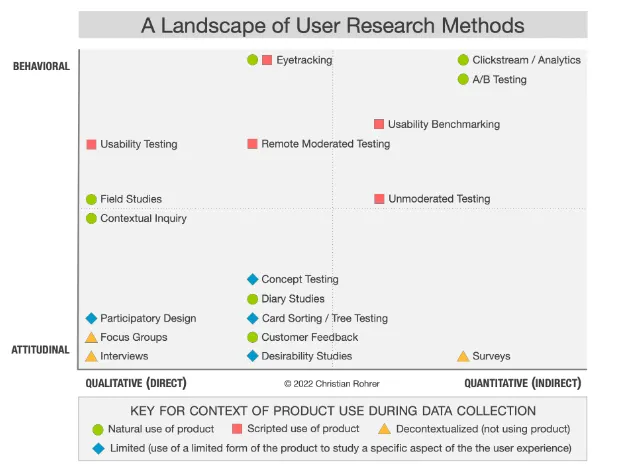
There are several types of user testing, each serving a different purpose. We use AB testing, diary studies, live sections, card sorting, and others. Each method provides unique insights, but today, we’re focusing on remote moderated user testing, which is especially relevant in our current remote-working era.
Benefits of Remote Moderated User Testing
Remote moderated user testing allows us to guide participants through specific tasks while observing their interactions and gathering their feedback. It’s incredibly beneficial because it lets us see how users engage with our designs in real time, even if we’re not in the same room. This method is particularly useful when we need to provide support or clarification during the test, ensuring we get the most accurate insights. Especially because sometimes what the user is saying is not what he is doing, not because they want to lie or anything like that, but because they couldn’t perceive some information or execute the task in the way it was idealized.
Conducting Remote Moderated User Testing
Here’s how we do it:
1. Planning and Preparation:
-
Define the objectives of the test.
-
Select the testing methods based on the context, design phase, and budget.
-
Prepare a test scenario and materials.
2. Recruiting Participants:
-
Identify the target user group for your product.
-
Recruit participants that fit this profile to avoid biased results.
3. During the Test:
-
Obtain user consent and explain the process.
-
Guide participants through the tasks while observing their interactions.
-
Take notes and ask follow-up questions to gather qualitative data.
Challenges and How to Overcome Them
User testing isn’t without its challenges. Sometimes, participants might not be available, or technical issues could arise. It’s crucial to be prepared for these scenarios and have contingency plans. Another challenge is ensuring the moderator doesn’t bias the results. Having multiple observers can help mitigate this risk by providing diverse perspectives. Sometimes the selected user is not a very sharing person, or they are emotionally compromised, or some other issues. That is why it is important to have a moderator who has trained well in the script and knows how to ask a question without biasing the user. Sometimes, even with that, you don’t get the expected answer, which shows the importance of getting a broad range of interviewees.

Analyzing and Reporting User Test Data
After conducting the tests, we gather all the data and analyze it to identify patterns and insights. Categorizing issues based on their severity helps us prioritize what to fix first. Reporting these findings in a clear and structured manner ensures that everyone on the team understands the key takeaways and next steps.
Final Thoughts
User testing is an invaluable tool in our UX toolkit. It helps us create designs that truly meet user needs and deliver exceptional value. By embracing remote moderated user testing, we can continue to improve our products, even in a remote working environment.
Thank you for joining me in this deep dive into user testing. I hope you found these insights helpful and inspiring. If you have any questions or experiences to share, I’d love to hear from you in the comments. Until next time, happy designing.