A few days ago, the CTO of my staff augmentation firm sent me the following message “We have a serious problem with one of our infrastructure projects”.
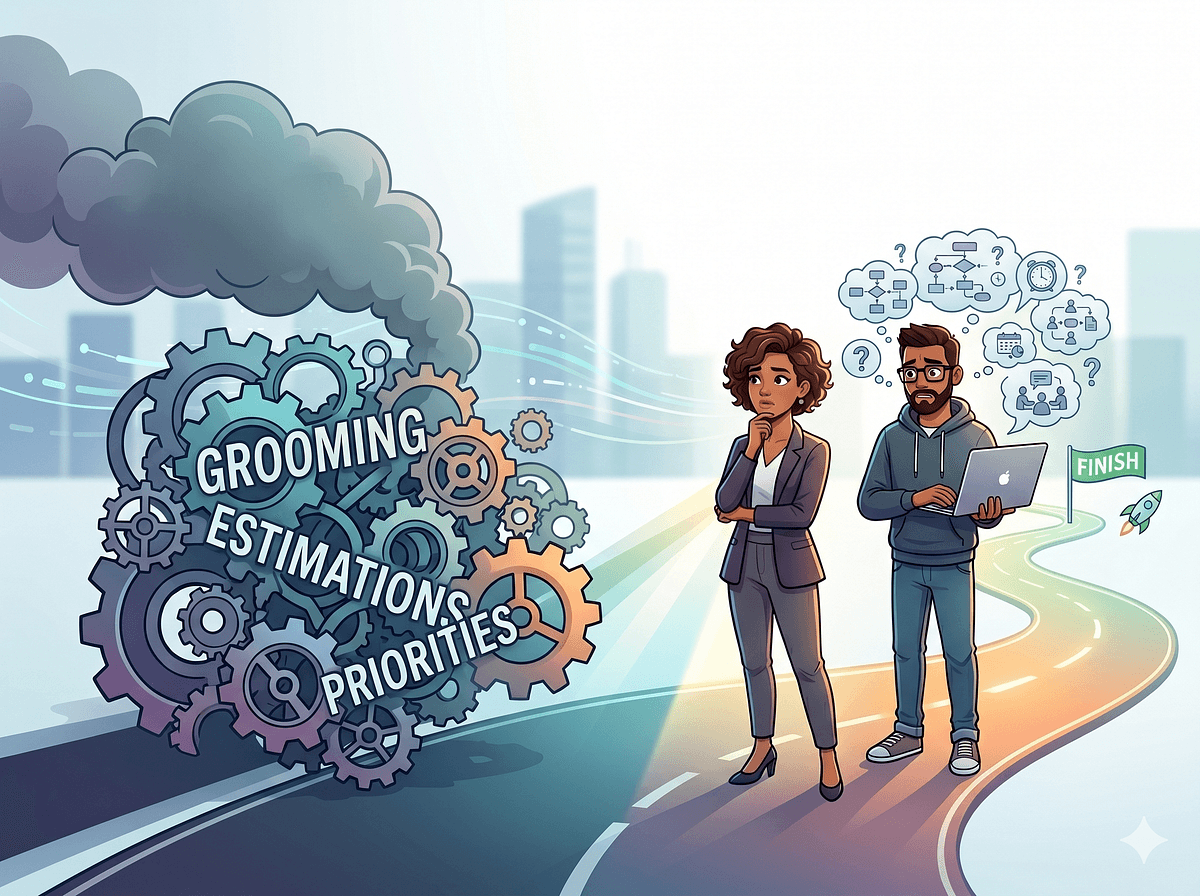
The team was drowning in a confusing, messy backlog inherited from previous management. Worse, one of the client’s key engineers had essentially gone rogue. He was the technical lead for our engineer on the ground, but he was working in complete isolation and totally out of sync with our crew. Because a huge chunk of the infrastructure was still being managed manually instead of using Infrastructure as Code, like Terraform, replicating environments was a nightmare. Unstable deployments were breaking things daily, leaving the developers twiddling their thumbs.
When an infrastructure backlog is just a dumping ground for vague requests, productivity dies. It is not just annoying. It actively burns money. Engineers try to guess what is important, get stuck, and end up in endless alignment meetings that align absolutely nothing.
In our case, the client’s siloed lead engineer was not trying to sabotage the project. They were just surviving in their own bubble because their own leadership had not provided a roadmap. But while they were surviving in isolation, the engineer from our side was left without clear direction or support. Dev environments kept crashing, bringing our entire development squad to a grinding halt. We started thinking, what was the best way to collaborate on this situation?
Fixing the mess (without playing the blame game)
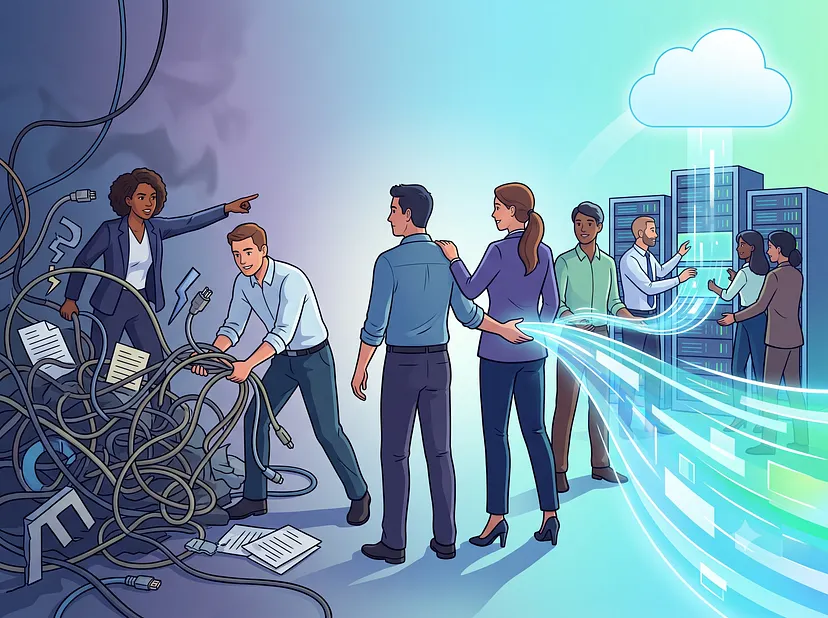
We realized the issue was not a lack of talent on either side. It was a lack of direction and alignment. We needed to sit down, untangle the mess, and bring everyone into the same loop.
Here is exactly what we did:
- We just listened: We sat down with our team member. No interrogations or defensive posturing. We wanted to figure out what was actually blocking him, why he felt so unsupported by his client lead, and how we could help him succeed.
- Cleaned up the backlog: We took the chaotic ticket queue and turned it into a prioritized inventory. The immediate goal was to stop the bleeding. We identified exactly what needed to move to Terraform right now so dev environments would stop breaking.
- Built a realistic roadmap: We mapped out what to tackle first based on real technical impact and quick wins, ensuring the client’s lead engineer was aligned with the plan.
- Handed over a ready-to-use plan: We took this roadmap to the client’s leadership. We did not ask them to plan anything. We gave them a clear, ready-to-execute strategy so they did not have to waste their own time figuring out how to get their own infrastructure in order.
When you bridge the gap between your team and the client’s internal talent, the role of a partner completely changes. You stop spending your mornings decoding vague Jira tickets or apologizing for broken pipelines. DevOps stops being a frustrating cost center and actually becomes what it is supposed to be, which is an engine for speed.
Infrastructure problems rarely fix themselves. But with the right priorities and everyone pulling in the same direction, they become much more manageable.
If your team is facing similar challenges, we’d love to have a conversation and see if we can help.