Remember the days when software development felt like an endless uphill battle? Stakeholders wanted every detail nailed down upfront, timelines stretched endlessly, and by the time the product was delivered, user needs had evolved into something unrecognizable. This Waterfall model often led to frustration and disillusionment, prompting the search for a better way.
Enter Agile — a flexible, iterative approach that prioritizes collaboration, customer satisfaction, and adaptability. But what makes Agile tick? And more importantly, how can your team effectively implement it?
In this guide, we’ll break down Agile’s core principles, explore popular methodologies like Scrum, Kanban, and XP, and give you practical tips to get Agile up and running in your software development projects.
Core Principles of Agile
The Agile Manifesto, crafted back in 2001, lays out four key values and 12 principles that define the Agile mindset. At its heart, Agile emphasizes:
- Individuals and interactions over processes and tools
- Working software over comprehensive documentation
- Customer collaboration over contract negotiation
- Responding to change by following a plan
This focus on flexibility and customer-centricity is what makes Agile uniquely suited to software development, where requirements often shift mid-project.
If you need any help implementing agile in your team, reach out!
Overview of Agile Methodologies
Agile is not a one-size-fits-all approach. Depending on the team structure, project type, and organizational needs, different methodologies can be used:
- Scrum: A structured framework centered around fixed-length sprints and defined roles.
- Kanban: A visual workflow management tool that focuses on continuous delivery without overloading the team.
- Extreme Programming (XP): An engineering-centric methodology that promotes technical excellence through practices like Pair Programming and TDD.
Deep Dive into Scrum
Scrum is like the Swiss Army knife of Agile — versatile, structured, and popular for a reason.
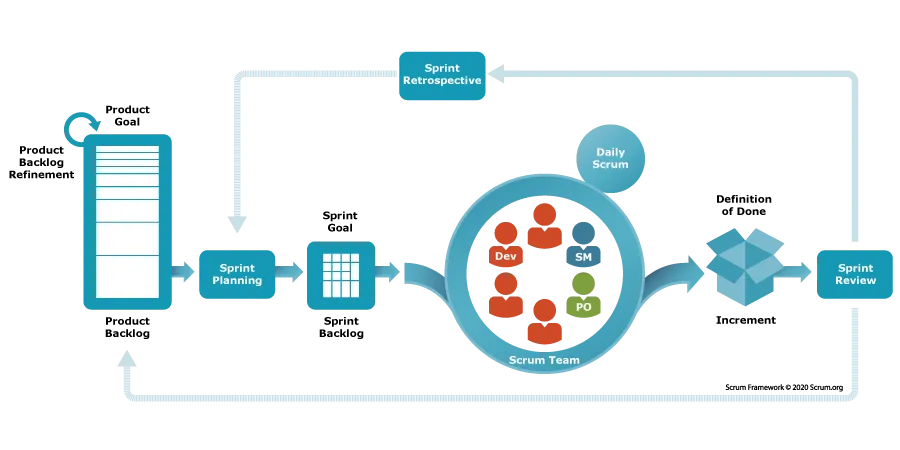
Its key components include:
- Roles: Scrum Master (coach), Product Owner (visionary), and Development Team (builders).
- Ceremonies: Daily Stand-ups, Sprint Planning, Sprint Reviews, and Retrospectives.
- Artifacts: Product Backlog, Sprint Backlog, and Increment.
Tips for Implementing Scrum:
- Establish Clear Roles: Make sure everyone understands their responsibilities.
- Focus on User Stories: Craft concise, user-centric requirements.
- Limit Sprint Scope: Avoid overcommitting by keeping sprints manageable.
Understanding Kanban
Kanban’s strength lies in its simplicity. You visualize the workflow on a board and move tasks from “To Do” to “Done.”
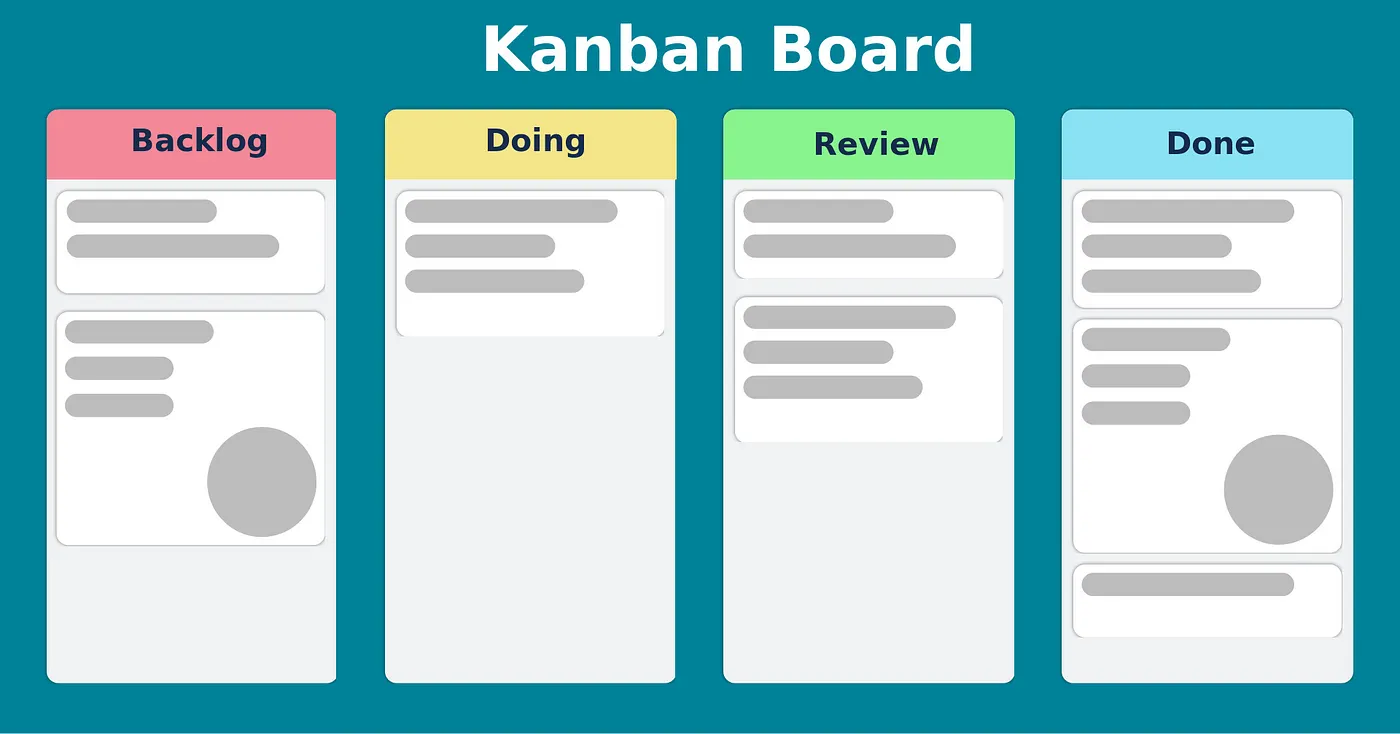
Its three core principles:
- Visualize the Workflow: Map out all project tasks.
- Limit Work in Progress (WIP): Avoid taking on too much at once.
- Improve Flow: Continuously monitor and refine the process.
The XP Approach
XP is all about engineering discipline and practices that ensure code quality.
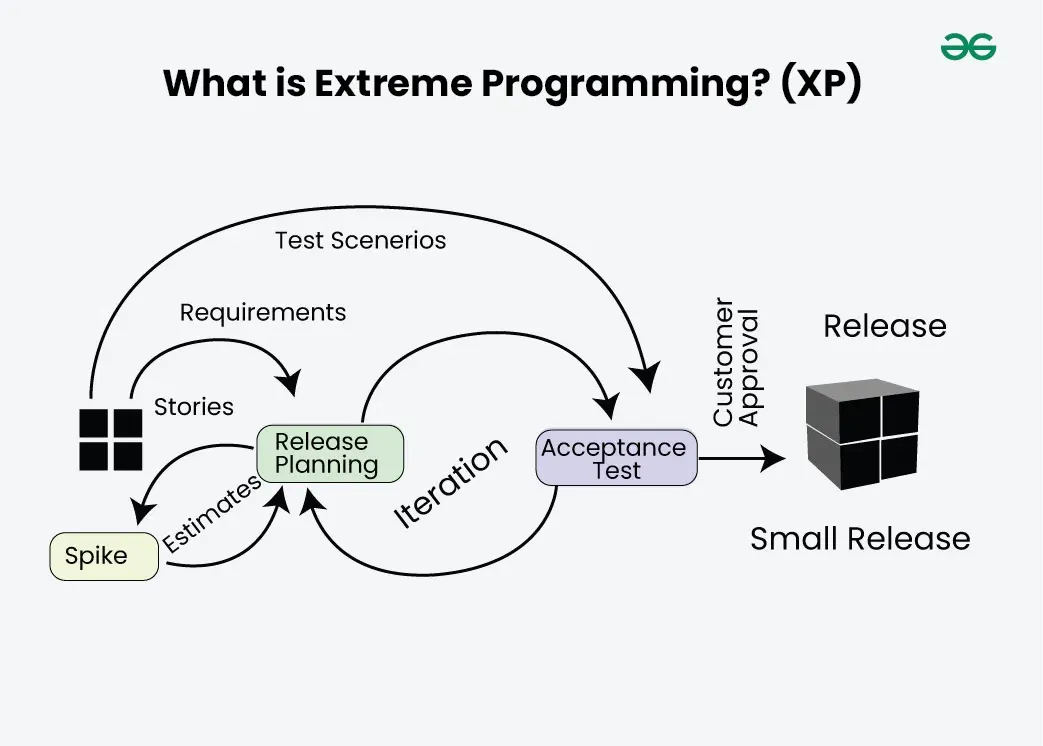
Its key practices include:
Pair Programming: Two developers, one keyboard — quality code.
Test-Driven Development (TDD): Write tests first, code later.
Continuous Integration: Integrate and test code multiple times a day.
Best Practices for Implementing Agile in Software Projects
The key to a successful Agile implementation lies in embracing its iterative nature — start small, learn quickly, and refine as you go. By focusing on incremental improvements and fostering a culture of collaboration and transparency, your team can gradually adapt to Agile’s mindset, making the change less overwhelming.
Here are some practical strategies to ease the transition and set your team up for long-term success:
Start Small: Pilot Agile in a single team before scaling up.
Invest in Training: Ensure team members understand Agile principles.
Use Agile Tools: Tools like Jira and Trello can help visualize work and track progress.
Common Pitfalls and How to Avoid Them
Even the most well-intentioned Agile transformations can go off the rails if common pitfalls aren’t anticipated. From misunderstanding core principles to falling back into old habits, teams often struggle with maintaining Agile’s flexibility and focus.
The good news? Most of these challenges are preventable with a bit of foresight and a proactive approach. By identifying these hurdles early and implementing strategies to address them, you can keep your Agile journey on track and avoid the frustration that often accompanies Agile adoption.
Misunderstanding Roles: Clearly define responsibilities to avoid overlap.
Micro-management: Trust teams to self-organize.
Over-documentation: Keep documentation lean and relevant.
Conclusion:
Adopting Agile is more of a journey than a destination. Whether you’re just starting out or looking to refine your processes, remember to stay true to Agile’s core values. Adapt, learn, and above all, deliver value. Looking for more insights on making Agile work for your team? Let’s connect and chat about how White Prompt’s software development expertise can help your project thrive.